


The Ultimate Guide to Exterior Painting


What a Quality Exterior Paint Job Involves
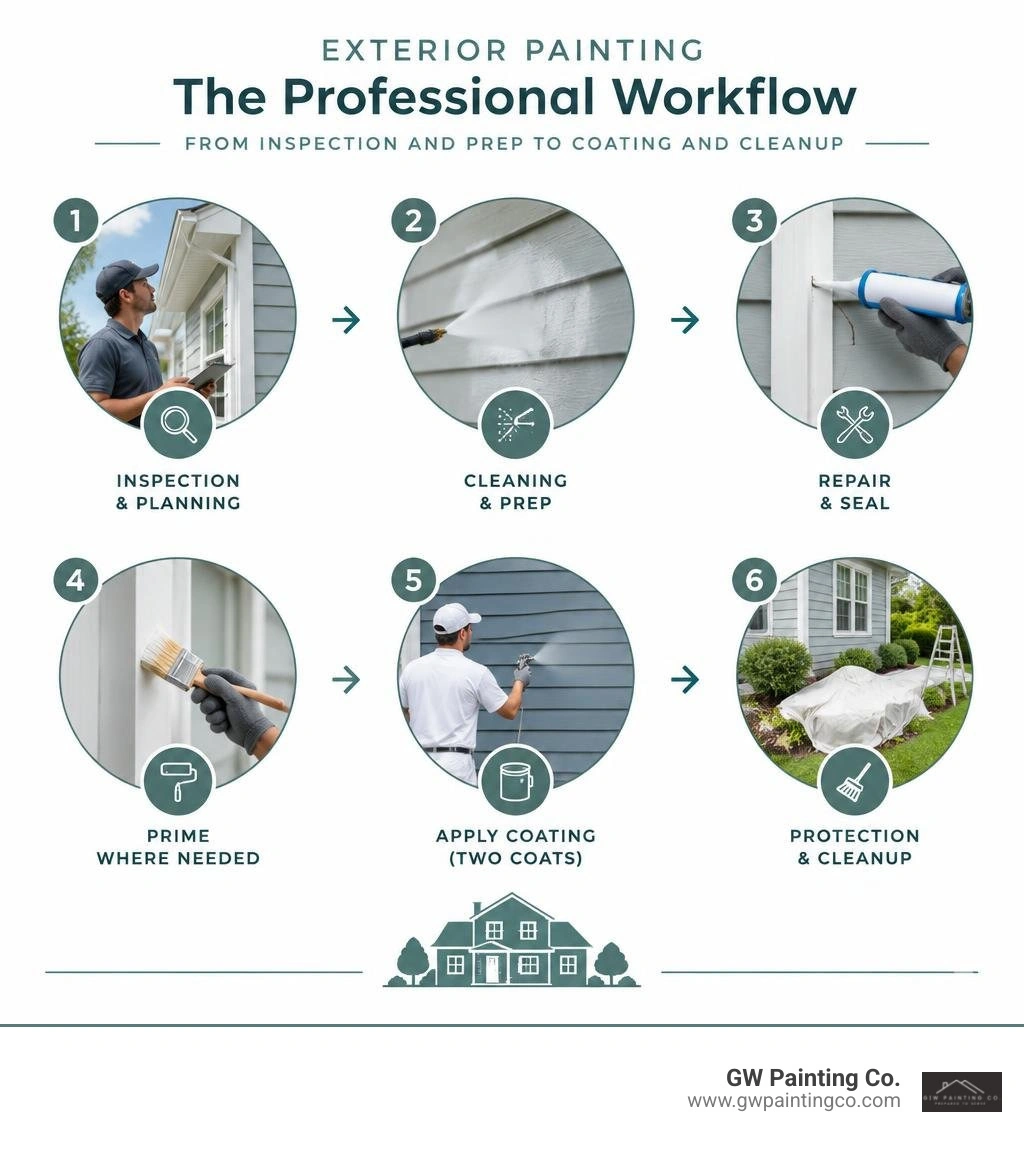
Exterior painting protects your home from sun and rain while giving it a fresh look. A lasting result starts with cleaning the siding, repairing damaged areas, sealing gaps, and priming where needed. Professional painters then apply exterior paint suited to the surface and local weather.
For a busy Charlotte homeowner, the work around the painting matters just as much. A clear scope should spell out the prep, paint, number of coats, protection for landscaping, and cleanup. Whether working with regional specialists like exterior painters in Indian Land, SC, or selecting the proper exterior paint for vinyl siding, this guide explains what to expect so you can compare professional estimates and plan with confidence.
Key Factors That Determine Exterior Painting Costs
The investment required for a complete home repaint reflects several distinct structural and material variables. A full exterior repaint typically costs between $1,800 and $8,500 nationwide, with the national average landing around $3,200. Most residential projects fall within the range of $1.50 to $4.00 per square foot of paintable surface.
Understanding the average cost of exterior painting guide helps homeowners evaluate how labor, materials, and existing wall conditions shape an estimate. Roughly 40% of a professional exterior painting job is dedicated entirely to surface preparation rather than the final brushstroke. Homes requiring extensive carpentry repairs, lead-safe containment, or deep masonry patching naturally sit higher on the pricing spectrum than properties needing only a light maintenance coat.
The cost of our painting services varies depending on the size and scope of the project. We offer free estimates to provide you with an accurate quote tailored to your specific needs.
Estimating Square Footage and Material Requirements
Accurate quoting relies on calculating the true paintable surface rather than relying purely on interior living floor space. To establish the material requirements, professional project managers calculate the exterior perimeter wall area, account for gable peaks, and make standard deductions for large window groupings and entryway openings.

When calculating the total cost to paint house exterior surfaces, material consumption is directly influenced by substrate texture. A standard gallon of premium exterior paint covers 250 to 400 square feet on smooth siding. However, heavily textured stucco or porous split-face masonry may reduce that spread rate to 150 to 200 square feet per gallon. Achieving proper film build requires specifying enough paint to accommodate a full two-coat finish across all elevations.
Labor, Height Access, and Architectural Complexity
Labor represents the largest percentage of any exterior painting budget. Multi-story homes introduce staging requirements that go far beyond standard step ladders. Setting up specialized staging, roof jacks, and aluminum walk planks ensures crew safety while maintaining uniform application along upper rooflines.
- Complex roof pitches that require safety harnesses and fall-arrest gear
- Intricate architectural details such as dental molding, corbels, and detailed soffits
- Extensive masking requirements for non-paintable stonework, light fixtures, and multi-pane windows
- Integrated rot remediation managed via a full exterior carpentry painting project before coatings begin
Choosing Premium Paint Formulations and Finishes
Exterior coatings face punishing environmental conditions: ultraviolet rays, extreme temperature swings, wind-driven moisture, and biological growth. High-performance paints rely on high solids content (typically 35% to 45% by volume), flexible binders, and fade-resistant pigments to maintain coating integrity year after year.
Advanced coatings such as EVERSHIELD® utilize 100% acrylic resin technology that resists alkali burnout, prevents surfactant leaching, and complies with ultra-low VOC environmental standards without sacrificing exterior durability.
Acrylic Latex vs. Oil-Based Formulations
Modern paint chemistry has established 100% acrylic latex as the industry standard for exterior siding. Acrylic resins form a continuous, flexible matrix that expands and contracts alongside siding materials as seasonal temperatures shift. This elasticity prevents the surface film from cracking when substrates flex. Acrylic coatings are also vapor-permeable ("breathable"), allowing interior moisture vapor to escape rather than getting trapped beneath the coating and causing blisters.
Oil-based (alkyd) paints dry to an extremely hard, glass-like finish. While largely replaced by acrylics for broad wall surfaces, traditional alkyd primers remain valuable for specific architectural uses. They penetrate deeply into weathered wood, seal tannin bleeds on cedar or redwood, provide rust-inhibiting adhesion on wrought-iron railings, and anchor slick metals prior to the application of an acrylic topcoat.
Selecting the Optimal Sheen for Body and Trim
Choosing the proper sheen balances aesthetics against washability and weather exposure. Higher sheens contain more resin and less pigment, resulting in a tighter, more moisture-resistant finish that highlights architectural details. Lower sheens absorb light and hide surface imperfections across broad wall expanses.
| Sheen Level | Reflectivity | Durability & Washability | Ideal Exterior Applications |
|---|---|---|---|
| Flat / Matte | Minimal (< 5%) | Low; hides major siding flaws | Older wood siding, rough stucco, masonry |
| Satin / Low-Lustre | Soft Sheen (10–25%) | Moderate to High; dirt-resistant | Fiber cement, engineered wood, vinyl body |
| Semi-Gloss | Noticeable Gloss (35–60%) | Very High; cleans effortlessly | Fascia, soffits, shutters, window trims |
| High Gloss | Brilliant Mirror (> 70%) | Maximum durability; moisture barrier | Architectural front doors, iron gates, railings |
Our exterior window trim painting guide highlights how selecting a semi-gloss or satin sheen creates a clean, intentional contrast against lower-sheen wall surfaces while providing durable protection against window-sill water accumulation.
The Multi-Step Professional Application Process
Delivering a long-lasting exterior finish requires a controlled, step-by-step workflow. Skipping any phase compromises the bond between the substrate and the topcoat, leading to premature failure.

Professional Prep Work: The Core of Exterior Painting
Prep work makes up the foundation of every durable paint job. Our crews protect all surrounding landscaping, patio furniture, and exterior light fixtures with heavy-duty drop cloths and masking poly before any prep machinery starts.
- Commercial Power-Washing: Washing surfaces at calibrated pressures (1,500 to 2,500 PSI) with biodegradable mildewcides removes atmospheric dirt, chalking, and fungal spores. Surfaces are allowed to dry thoroughly for 24 to 48 hours.
- Mechanical Scraping & Sanding: Technicians scrape all loose, peeling, and flaking paint back to a sound edge using carbide scrapers, followed by feather-edge sanding to create a smooth transition.
- Elastomeric Caulking: Sealing expansion joints, window perimeters, door casings, and corner boards using premium elastomeric caulking prevents water intrusion while accommodating seasonal joint movement.
- Spot Priming: Bare wood, exposed metal fasteners, and repaired masonry receive dedicated bonding primers to seal the surface before the full body coats are applied, as demonstrated in our exterior restoration painting work.
Priming, Spraying, Back-Rolling, and Detail Work
High-efficiency commercial airless sprayers atomize paint into a fine, controlled pattern, delivering a uniform wet-mil thickness across large wall planes. However, spraying alone is not enough for textured siding. Professional teams immediately follow spraying with "back-rolling"—using a physical paint roller to push the wet coating into open pores, wood grain, and stucco fissures.
Fine detail elements, such as architectural brackets and entry doors, are coated using high-density synthetic brushes and mini-rollers. Reference our exterior door painting complete guide for insight into the exacting finish work required to produce factory-smooth entryway doors.
Substrate-Specific Requirements for Different Siding Materials
Every home exterior presents unique substrate challenges. Applying the wrong paint chemistry to a specific siding material can lead to peeling, warping, or moisture entrapment.
| Substrate | Key Prep Challenge | Mandatory Primer System | Recommended Topcoat Chemistry |
|---|---|---|---|
| Natural Wood | Tannin bleed & moisture rot | Oil-based exterior alkyd primer | 100% Flexible Acrylic Latex |
| Stucco / Plaster | High alkalinity & hairline cracking | Alkali-resistant masonry primer | Breathable Elastomeric or Acrylic |
| Fiber Cement | Exposed cut edges & joint gaps | 100% Acrylic bonding primer | High-build 100% Acrylic Latex |
| Brick Masonry | Moisture retention & efflorescence | Breathable penetrating masonry sealer | Vapor-permeable Mineral/Latex paint |
| Vinyl Siding | Thermal expansion & heat distortion | Direct-to-plastic bonding primer (if bare) | Vinyl-Safe formulated acrylic topcoat |
Wood, Fiber Cement, and Stucco Systems
Natural cedar and redwood contain water-soluble extractives called tannins that migrate through standard water-based paints, creating dark brown stains. Applying a dedicated stain-blocking alkyd primer locks these extractives inside the wood fibers before the acrylic topcoats are applied. For fiber cement products like HardiePlank, all exposed factory cuts and unprimed butt joints must be sealed against moisture absorption before coating.
Stucco requires unique treatment due to natural moisture content and surface alkalinity. Uncured or unsealed stucco can cause "alkali burnout," which breaks down paint binders and causes rapid color fading. Contractors apply alkali-resistant primers to neutralize pH levels and bridge hairline settlement cracks with elastomeric patch compounds before topcoating.
Brick Masonry and Vinyl Siding Considerations
Brick is a naturally porous building material designed to absorb and release moisture vapor. Sealing brick requires vapor-permeable coatings that allow internal moisture to escape rather than trapping it within the brick, which can cause surface spalling during freezing temperatures. Follow our exterior brick painting complete guide to understand the balance between masonry prep and breathable paint application.
When coating vinyl siding, selecting the proper paint formulation is essential. Vinyl expands and contracts significantly under direct sunlight. Dark paint colors absorb heat and can cause the siding panels to buckle or permanently warp. Applying paints formulated with specialized reflective pigments—outlined in our resource on exterior paint for vinyl siding—allows homeowners to choose richer colors without risking thermal distortion.
Weather Windows and Long-Term Durability
Exterior painting success relies heavily on ambient weather conditions. The chemical curing process of premium paints requires specific temperature and humidity levels to ensure the resins coalesce into a durable protective barrier.
Climate and Seasonal Timing for Exterior Painting
Professional contractors closely track ambient air temperature, surface temperature, relative humidity, and dew points when scheduling application windows:
- Temperature Minimums & Maximums: While standard latex coatings require temperatures above 50°F, advanced formulations like BEHR DYNASTY® can be applied down to 35°F and up to 90°F.
- Sun Tracking: Painting in direct, scorching sunlight causes paint solvents to evaporate too quickly, leading to brush marks, blistering, and uneven sheen. Professional crews plan their workday to follow the shade around the property.
- Humidity Thresholds: Relative humidity should ideally sit between 40% and 70%. High humidity slows down drying times, while painting too close to the evening dew point can cause moisture to settle on the wet film, resulting in surfactant leaching and dull spots.
For international standards of weatherproofing formulations across varied moisture environments, products such as Dulux Weathershield and Zinsser AllCoat Exterior Satin illustrate how modern resins are engineered for early rain resistance and mildew defense. Independent tests, such as those compiled in the 5 Best Exterior Paints evaluation, demonstrate that acrylic resin quality directly dictates how well coatings resist UV breakdown over multi-year periods.
Expected Lifespan and Repainting Cycles
A high-grade exterior paint system typically lasts between 7 and 12 years, depending on local weather conditions, sun exposure, and substrate quality. Regular maintenance helps protect the coating and extends its service life:
- Keep tree branches and landscaping trimmed at least 18 to 24 inches away from painted surfaces to improve air circulation.
- Clear gutters and downspouts annually to prevent water from overflowing onto wooden fascia boards.
- Wash siding every 12 to 24 months with low pressure to remove surface grime and airborne pollen before it can degrade the finish.
- Inspect caulking joints around windows and door trim annually, touching up any cracked seals promptly.
Frequently Asked Questions
When selecting an exterior painting contractor, verify these essential qualifications:
- Active general liability insurance and workers' compensation coverage
- A verified state and municipal painting contractor license
- Clear, written contract scopes specifying exact paint brands, product lines, and numbers of coats
- Established local references and documented multi-year warranties
How much cure time is needed before rain exposure?
Most standard exterior latex paints require at least 24 hours of dry, mild weather to cure thoroughly before being exposed to rainfall. However, modern high-performance formulations include quick-set additives that offer early moisture resistance in as little as 60 to 90 minutes after application. Even with fast-curing paints, professional painters always monitor regional weather radar to avoid applying coatings when heavy storms are imminent.
What is included in a comprehensive professional estimate?
A comprehensive exterior estimate should detail every phase of the project:
- Detailed surface preparation, including pressure washing pressure levels and cleaning agents
- Scraping, sanding, and specific spot-priming products
- Brand, product tier, sheen, and color codes for both body and trim coats
- Number of applied finish coats and specified application methods (spray, brush, back-roll)
- Protection measures for surrounding landscaping, hardscaping, windows, and rooflines
- Complete daily site cleanup terms and final quality walkthrough procedures
How often does a residential exterior require repainting?
Most homes need repainting every 6 to 10 years, though the exact timing depends on the siding material and sun exposure. Natural wood siding exposed to strong southern sunlight may need attention every 5 to 7 years, while well-prepped fiber cement or masonry surfaces can hold paint for 10 to 12 years. Regular visual inspections for flaking, hairline caulking cracks, or chalking paint will help you schedule a repaint before moisture penetrates the underlying siding.
Conclusion
A successful exterior painting project preserves your home's structural integrity, guards against moisture rot, and enhances curb appeal. Lasting durability relies on thorough prep work, choosing high-solids 100% acrylic paints, and using proper application techniques tailored to each siding material.
When you are ready to update and protect your property, trust our team at GW Painting Co. for dependable, high-quality exterior residential painting. Our licensed, insured, and experienced crews deliver clean, detailed workmanship backed by a full satisfaction guarantee. Contact us today to arrange your on-site consultation and free estimate.


