.avif)

The Ultimate Guide to Exterior Brick Painting and Limewashing
.avif)

.svg)
What You Need to Know About Exterior Brick Painting and Limewashing
Exterior brick painting is one of the most dramatic — and permanent — changes you can make to your home's appearance.
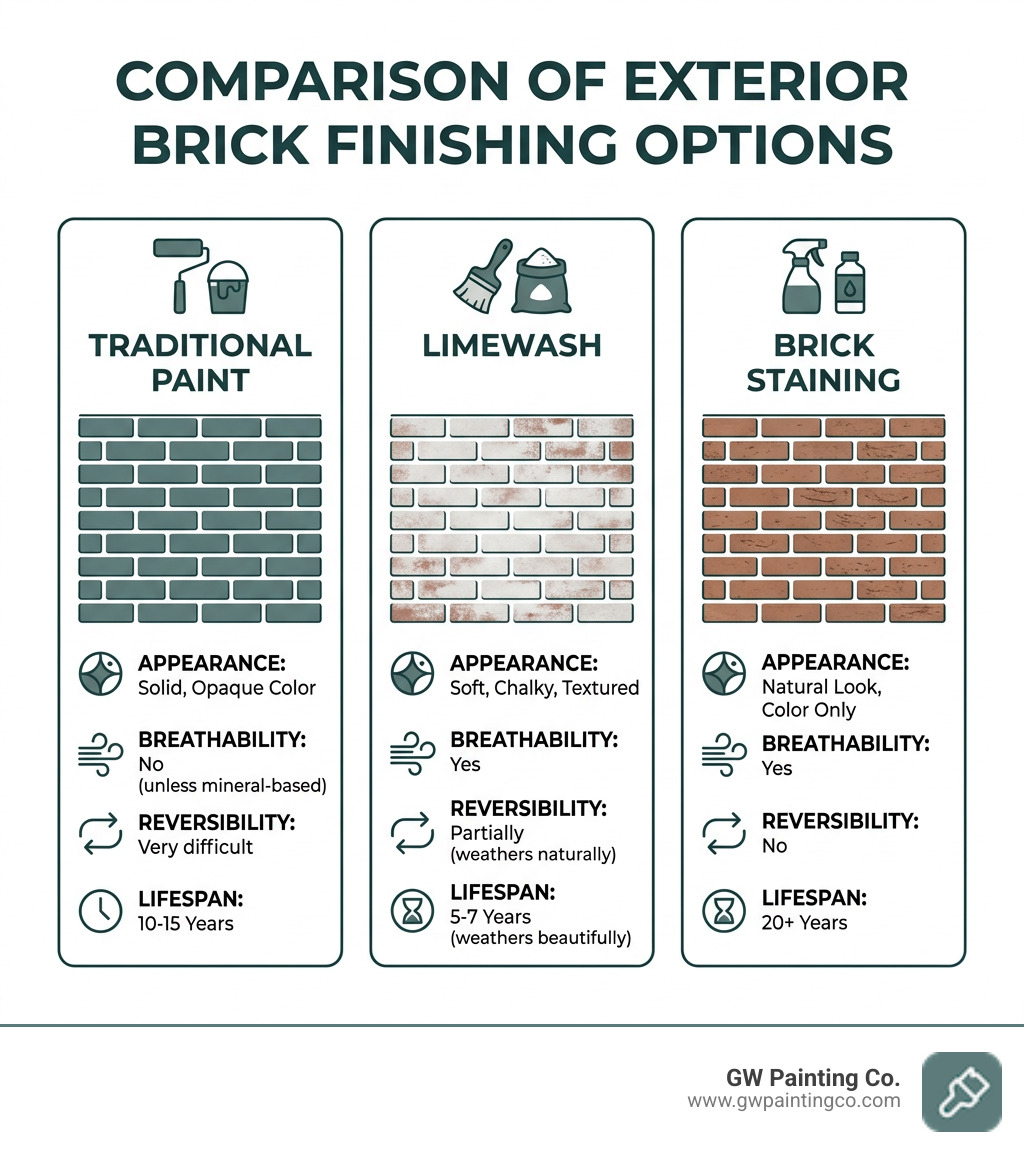
Here's a quick overview of your main options for finishing brick:
| Finish Type | Appearance | Breathable? | Reversible? | Lifespan |
|---|---|---|---|---|
| Traditional Paint | Solid, opaque color | No (unless mineral-based) | Very difficult | 10-15 years |
| Limewash | Soft, chalky, textured | Yes | Partially | 5-7 years (weathers beautifully) |
| Brick Stain | Natural look, color only | Yes | No | 20+ years |
| German Smear | Rustic, mortar-textured | Mostly yes | No | Very long-lasting |
Brick is one of the most durable, low-maintenance building materials on the planet. It naturally resists rain, wind, and UV — without a drop of paint. So why are so many Charlotte homeowners choosing to finish their brick exteriors?
The reasons are real and valid:
- Outdated brick colors (think 1980s orange-red) clashing with modern design tastes
- Mismatched brickwork from additions or repairs that are hard to hide
- A desire for a cleaner, more contemporary look — like the popular modern farmhouse aesthetic
- Staining, discoloration, or weathering that cleaning alone won't fix
But here's the thing: not all brick finishing options are equal, and the wrong choice can cause serious long-term damage. Painting historic brick, for example, can trap moisture and lead to expensive structural problems like spalling and efflorescence.
This guide covers everything a Charlotte homeowner needs to know about professional brick finishing — from whether painting your brick is the right call, to which materials hold up best in our humid climate, to what professional execution actually looks like.
To Paint or Not to Paint: Evaluating Your Masonry
Deciding to move forward with Exterior brick painting is a bit like deciding to get a tattoo. It looks fantastic when done by a pro, but it is incredibly difficult (and often impossible) to fully reverse. Before we pick up a sprayer, we always help our clients evaluate if their home is a good candidate for this transformation.

From a financial perspective, the news is generally very good. High-quality professional painting can increase a home’s market value by as much as 12%. It creates that "wow factor" that stops buyers in their tracks, especially in competitive markets like Matthews or Waxhaw.
However, why painting brick is a controversial decision usually comes down to the age of the home.
Historic Preservation vs. Modern Masonry
If your home was built before 1940, we approach with extreme caution. Historic bricks were often "soft-fired" and paired with lime-based mortar. This system was designed to breathe; moisture enters the brick and evaporates back out easily. When you apply a non-breathable film of traditional paint over these older materials, you trap that moisture inside.
Modern bricks (post-1940s) are typically "hard-fired" and used with Portland cement mortar. These are much more resilient and are generally excellent candidates for exterior residential painting services. Even so, we always check for structural integrity before starting.
When to Choose Professional Brick Finishing
Aesthetics are the primary driver, but there are practical reasons to choose a professional finish:
- Covering Patches: If you’ve moved a window or added an addition, matching 20-year-old brick is nearly impossible. Painting creates a seamless, uniform look.
- Surface Staining: Years of North Carolina red clay or soot can leave permanent marks that even a professional cleaning can't fully lift.
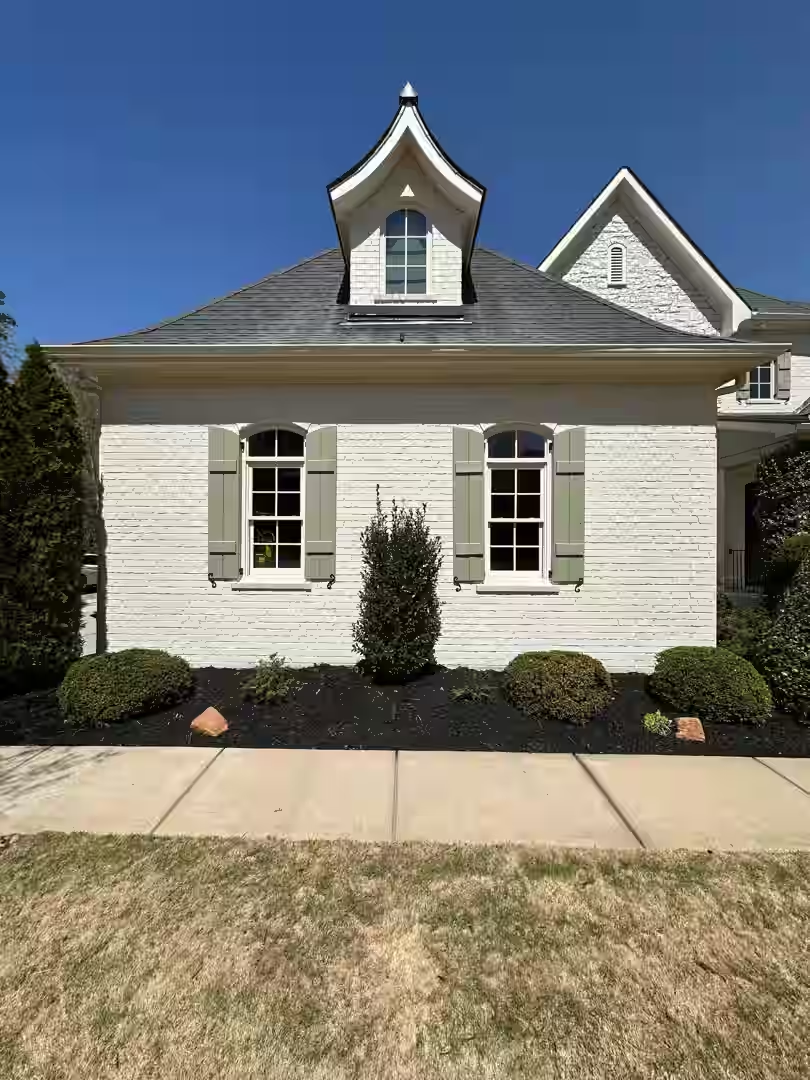
- The Modern Farmhouse Aesthetic: Nothing achieves that crisp, clean "Seapearl" or "China White" look quite like painted brick.
If you’re wondering how your specific neighborhood handles these changes, our exterior house painters in Charlotte guide offers more localized insights.
The Risks of Trapping Moisture in Masonry
The biggest enemy of brick isn't the sun or the wind—it's trapped water. When moisture gets stuck behind a layer of paint, it can lead to two major issues:
- Efflorescence: This is that white, powdery salt deposit you see on some brick walls. It’s caused by water dissolving salts within the brick and carrying them to the surface.
- Spalling: This is more serious. If water is trapped and then freezes (as it does during our Charlotte winters), the expansion can literally pop the face off the brick.
To avoid this, we focus on breathability. We use specialized masonry coatings that allow water vapor to escape while keeping liquid water out. Additionally, for homes built before 1978, we strictly follow EPA lead-safe certification guidelines to ensure the safety of your family and our crew during any surface preparation.
Choosing the Right Materials for Exterior brick painting
You can't just walk into a big-box store, grab a bucket of "exterior paint," and slap it on a brick wall. Brick is a porous, alkaline surface that requires specific chemistry to ensure the paint actually sticks and stays there for a decade or more.
| Material Type | Pros | Cons | Best For |
|---|---|---|---|
| Acrylic Latex | Flexible, UV resistant, widely available | Can trap moisture if not "breathable" | Modern homes, budget-friendly |
| Mineral Paint | Chemically bonds to brick, 100% breathable | More expensive, limited color range | Historic homes, maximum longevity |
| Elastomeric | Thick, fills cracks, highly waterproof | Very low breathability, can peel in sheets | Damaged brick with minor settling cracks |
The cost to paint house exterior factors often depend on which of these materials is chosen. While mineral paints like Romabio offer the best technical performance for masonry, high-quality 100% acrylic paints with alkali-resistance are the industry standard for most residential projects in our area.
Trending Palettes and Color Selection
In the Charlotte area, we see a heavy lean toward monochromatic schemes that highlight the texture of the brick rather than the color of the clay.
- Soft Whites: Benjamin Moore China White is a perennial favorite. It’s creamy and warm, avoiding that "blinding" hospital-white look in the bright Carolina sun.
- Moody Darks: For a dramatic, high-contrast look, many homeowners are choosing Sherwin-Williams Inkwell. It's a deep charcoal with blue undertones that looks stunning against natural wood accents.
- Warm Neutrals: Shades like "Revere Pewter" or "Agreeable Gray" offer a sophisticated, timeless feel that bridges the gap between traditional and modern.
The Professional Execution: Preparation and Application
Preparation is 90% of a successful professional Exterior brick painting project. If the prep is skipped or handled incorrectly, the paint will likely start peeling within two or three years.
Surface Assessment and Cleaning
We begin with a thorough inspection. We look for loose mortar, cracks, and signs of moisture. If the mortar is crumbling, it needs to be repaired and cured before we even think about paint.
Next comes the cleaning. We use calibrated power washing, typically staying between 1,500 and 2,000 PSI. Going higher than that can actually damage the "skin" of the brick, making it even more porous and prone to moisture issues. We also incorporate specialized cleaning solutions to kill microscopic mildew—a common problem in our humid South Carolina and North Carolina climate.
After washing, the brick must dry completely. We usually require a minimum 48-hour window of dry weather. Brick is like a sponge; even if it looks dry on the surface, the core can still be damp.
The Step-by-Step Professional Process
Once the surface is clean, dry, and repaired, we follow a rigorous application process:
- Masking and Protection: We protect your windows, doors, light fixtures, and landscaping with professional-grade plastic and drop cloths.
- Specialized Masonry Primer: We apply a high-quality, alkali-resistant primer. This seals the porous surface and ensures the topcoat has a uniform base to grip.
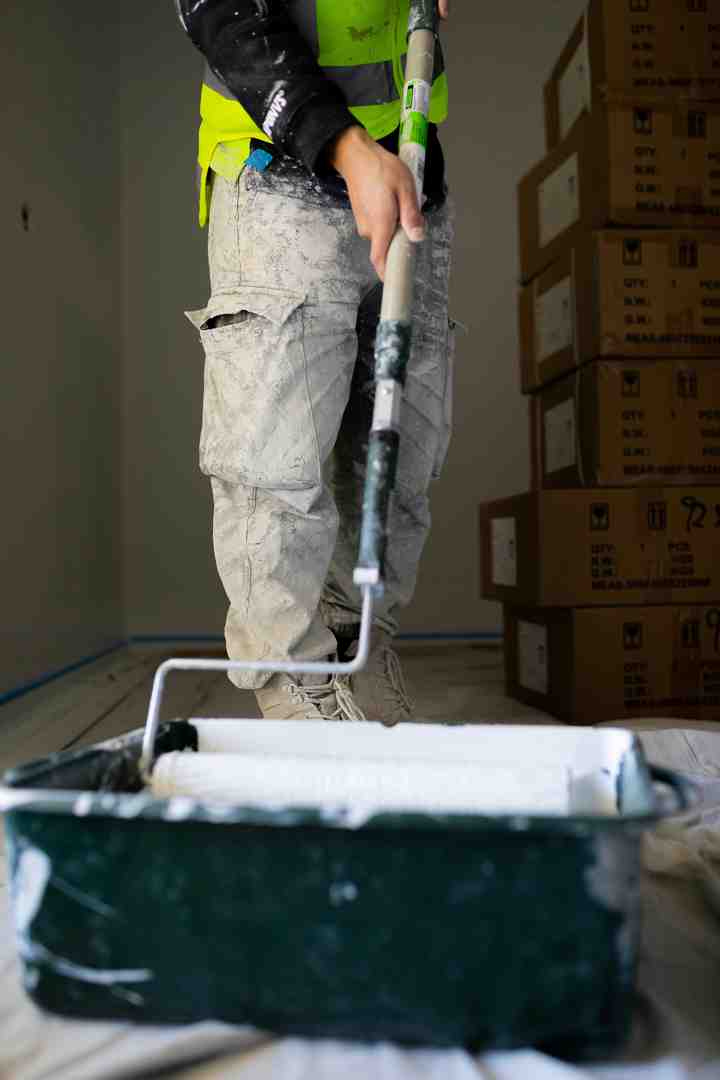
- Spray and Back-roll: This is the "secret sauce" of professional results. We spray the paint to get into all the nooks and crannies of the mortar lines, and then we immediately follow with a heavy-nap roller. This "back-rolling" pushes the paint into the texture of the brick for maximum adhesion.
- Two-Coat Minimum: We never settle for one thick coat. Two moderate coats provide better durability, color depth, and protection.
For more details on how we handle these projects locally, check out our professional painting services in Charlotte NC page.
Common Failures in Non-Professional Brick Painting
In our years of serving Gastonia, Concord, and beyond, we've seen plenty of brick painting jobs gone wrong. Here are the most common culprits:
- Painting Too Soon: New brickwork needs at least 28 days to cure. The high pH levels in fresh mortar will eat right through standard paint.
- Ignoring the Weather: Painting in 95-degree heat or 90% humidity can cause the paint to dry too fast or fail to bond correctly.
- Using Non-Breathable Sealants: Applying a clear "waterproofer" over paint can often trap moisture, leading to the very peeling you were trying to prevent.
Consulting an exterior painters Charlotte guide can help you time your project for the best results.
Breathable Alternatives: Limewash, Staining, and German Smear
If the permanence of Exterior brick painting makes you nervous, there are several "breathable" alternatives that offer a different aesthetic.
Limewash
Limewash is made from slaked lime, water, and natural pigments. Unlike paint, it doesn't sit on top of the brick; it undergoes a chemical reaction called carbonation and actually becomes part of the brick surface. It is naturally high-alkali, making it incredibly resistant to the mold and mildew we often see in Fort Mill and Indian Land. It weathers beautifully over time, giving your home a "lived-in" European cottage feel.
Brick Staining
If you love the texture of your brick but hate the color, staining is the way to go. Stains are translucent dyes that penetrate the brick. They don't form a film, which means they are 100% breathable and will never peel or flake. You can find more technical details in this technical guide to brick staining.
German Smear
This technique involves applying a layer of wet mortar over the brick and then wiping parts of it away before it dries. It creates a heavy, rustic texture that mimics the look of old-world stone cottages. It's a fantastic choice for German smear for old-world aesthetics and requires almost zero maintenance once cured.
Longevity and Maintenance of Painted Masonry
A professional Exterior brick painting job should last between 10 and 15 years. However, the life of your paint depends heavily on how you treat it.
- Annual Inspections: We recommend walking around your home once a year to look for hairline cracks in the mortar or signs of moisture at the foundation.
- Gentle Cleaning: You don't need to power wash every year. A garden hose and a mild soap solution are usually enough to remove dust and pollen.
- Thermal Expansion: Brick expands and contracts as temperatures swing from freezing winter nights to scorching summer days. We use flexible, high-quality paints that move with your home to prevent cracking.
If you ever notice issues, searching for an exterior painting company near me will help you find local pros who understand the specific challenges of the Charlotte climate.
Frequently Asked Questions about Brick Finishing
Does painting exterior brick affect resale value?
Generally, yes—positively! Most buyers today prefer the clean look of painted brick over dated red or orange tones. Statistics show a potential increase of 5-12% in market value. However, in some historic districts, unpainted brick is preferred or even required by HOAs, so always check your local regulations first.
How do you remove paint from brick if you change your mind?
It is extremely difficult and expensive. Because brick is porous, the paint seeps deep into the "pores." Removal usually involves harsh chemicals and careful pressure washing, which can damage the brick's surface. This is why we emphasize that painting should be viewed as a permanent decision.
Is it better to paint or limewash in humid climates?
In humid areas like Charlotte or Gastonia, limewash has a slight edge because it is naturally mold-resistant and 100% breathable. However, modern breathable masonry paints are also highly effective. The choice usually comes down to the "look" you want: solid and modern (paint) vs. weathered and historic (limewash).
Conclusion
Transforming your home with Exterior brick painting or limewashing is an investment in both your property's value and your daily enjoyment of your home. Whether you're looking for the crisp lines of a modern farmhouse or the rustic charm of a German smear, the key to success lies in professional preparation and the use of the right materials.
At GW Painting Co., we take pride in being Charlotte's local experts in masonry finishing. Our licensed and insured crews are trained in the specific techniques required to make paint stick to brick for the long haul. We understand the local climate, from the humidity of Indian Land to the historic requirements of Charlotte's older neighborhoods.
The cost of our painting services varies depending on the size and scope of the project. We offer free estimates to provide you with an accurate quote tailored to your specific needs. Ready to see what your home could look like? Contact us today to schedule your consultation and let's bring your vision to life!